
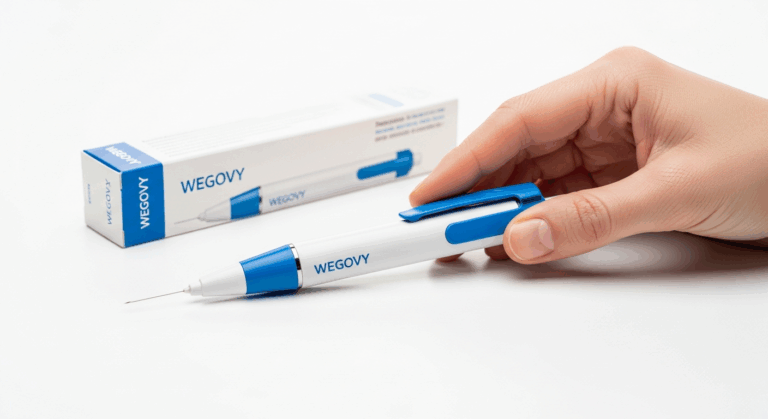
Wegovy (semaglutide) aids in weight loss by mimicking GLP-1 hormones (glucagon-like peptide 1, a hormone secreted in the intestine in response to eating) to reduce appetite and slow gastric emptying (the passage of food from the stomach to the intestine). It is intended for adults with a BMI (body mass index) of 30 and above (obesity), or 27 and above (overweight) along with at least one weight-related comorbidity, such as type 2 diabetes, high blood pressure, or dyslipidemia (disorder of blood lipid levels). The treatment with Wegovy complements a comprehensive program of a low-calorie diet and increased physical activity.
Delivery within an hour!
Latest Articles
Useful and Important Information
Nutrition with Wigobi

Weight loss results with Wigobi
Maintenance phase in Wigobi

Wigobi Customer Service
Physical activity with Wigobi
Details on Wegovy costs
Obesity in Israel poses a significant health challenge, with data from the Ministry of Health indicating that about 25% of the adult population suffers from obesity and an additional 40% from overweight. These rates highlight the need for effective and safe weight management solutions, as pharmacological treatments like Wegovy become increasingly relevant for certain groups of patients. Understanding how the drug works, its efficacy, and its availability in Israel is critical for both patients and medical teams.
This comprehensive guide will detail all the essential information about Wegovy, from its scientific mechanism of action, through frequently asked questions regarding treatment, to a practical guide for proper use. We will review the differences between it and similar medications, discuss clinical applications, address the safety profile and possible side effects, debunk common myths, and provide perspective on its availability and use in the Israeli context. Our goal is to provide you with all the knowledge necessary to make an informed decision regarding Wegovy.
The Science: How Wegovy Works for Weight Loss
Wegovy contains the active ingredient semaglutide, which is a GLP-1 receptor agonist (a substance that activates GLP-1 hormone receptors in the body). GLP-1 is a natural hormone secreted by the intestine in response to eating and plays a key role in regulating blood sugar levels and the feeling of satiety. By mimicking the action of natural GLP-1, Wegovy works in several ways to contribute to weight loss. It binds to GLP-1 receptors in the brain, primarily in the hypothalamus (the area of the brain responsible for regulating appetite and satiety), thereby reducing appetite and feelings of hunger.
In addition to its effect on appetite, Wegovy also affects the digestive system. It slows the rate of gastric emptying (the time it takes for food to pass from the stomach to the small intestine), leading to a longer-lasting feeling of fullness after meals. This sensation helps patients naturally consume fewer calories. Additionally, semaglutide improves the body’s response to insulin (a hormone secreted by the pancreas that helps sugar enter cells) and reduces glucagon secretion (a hormone that raises blood sugar levels) from the pancreas, which contributes to regulating blood sugar levels, even if the patient is not diabetic.
The combination of appetite reduction, slowed gastric emptying, and improved blood sugar regulation allows patients to significantly reduce their daily calorie intake and maintain a low-calorie diet more easily. The overall effect is consistent and significant weight loss, as demonstrated in clinical studies. This comprehensive mechanism of action makes Wegovy an effective tool for treating obesity and helps patients achieve health goals and reduce risks associated with excess weight.
Frequently Asked Questions about Wegovy
What is Wegovy and who is it intended for?
Wegovy is a medication administered via a weekly injection and contains the active ingredient semaglutide. It is intended for adults with a BMI of 30 kg/m² and above (obesity), or with a BMI of 27 kg/m² and above (overweight) along with at least one weight-related comorbidity, such as type 2 diabetes or high blood pressure. The medication serves as an adjunct to a low-calorie diet and increased physical activity.
How does Wegovy work in the body?
Wegovy mimics the action of a natural hormone called GLP-1. It works by reducing appetite and feelings of hunger, slowing gastric emptying (which leads to a prolonged feeling of fullness), and improving blood sugar regulation. The combination of these actions helps patients consume fewer calories and lose weight.
How long can one expect to see results with Wegovy?
Weight loss with Wegovy typically begins gradually. Many patients report a decrease in hunger within the first few weeks of treatment. Significant weight loss is usually observed after several months of consistent use, along with a gradual increase in dosage and lifestyle changes. It is important to remain committed to the treatment and dietary changes.
Is a prescription required for Wegovy?
Yes, Wegovy is a prescription medication. A medical evaluation by a specialist (such as an endocrinologist or a family doctor experienced in treating obesity) is necessary before starting treatment. The doctor will determine if the medication is suitable for your health condition, monitor the treatment, and adjust the dosage.
What are the common side effects of Wegovy?
The most common side effects of Wegovy are related to the digestive system and include nausea, vomiting, diarrhea, constipation, and abdominal pain. These effects are usually mild to moderate and tend to resolve over time, especially as the body adjusts to the treatment. They can be minimized by gradually increasing the dosage and making dietary changes.
Comprehensive Guide to Success with Wegovy
Medical Evaluation and Prescription
The first and most critical step is to meet with a specialist (endocrinologist, gastroenterologist, or a family doctor experienced in treating obesity). The doctor will assess the patient’s overall health status, perform relevant blood tests, and determine if Wegovy is appropriate for them. They will explain the medication, its benefits, risks, and how it fits into the overall weight loss plan.
Starting Treatment with a Low Dose
Wegovy is administered via subcutaneous injection once a week. Treatment always begins with a low dose of 0.25 mg. This initial dose allows the body to adjust to the medication and reduces the risk of gastrointestinal side effects. The doctor or nurse will explain to the patient how to inject the medication correctly and safely. It is important to follow the instructions carefully.
Titration (Gradual Dose Increase)
After 4 weeks of treatment at the initial dose, the dosage is gradually increased (titration) according to the doctor’s instructions. Typically, the dose is increased to 0.5 mg, then to 1 mg, 1.7 mg, and finally to the maintenance dose of 2.4 mg. The titration process is designed to maximize the medication’s effectiveness while minimizing side effects. Open communication with the doctor regarding side effects is essential.
Managing Side Effects and Lifestyle Changes
Throughout the treatment, it is important to actively manage potential side effects and incorporate lifestyle changes. Side effects such as nausea can often be managed by eating small, frequent meals, avoiding fatty foods, and ensuring adequate hydration. A low-calorie diet and regular physical activity should be incorporated to maximize weight loss results and maintain them over time.
Comparison of Alternatives for Wegovy
| Medication | Active Ingredient | Administration Method | Frequency | Main Characteristics | Insurance Coverage in Israel |
|---|---|---|---|---|---|
| Wegovy | Semaglutide | Subcutaneous injection | Once a week | Intended for weight loss, higher doses than Semaglutide for diabetes | Limited, often requires high out-of-pocket costs or special approval |
| Ozempic | Semaglutide | Subcutaneous injection | Once a week | Mainly intended for type 2 diabetes, with the advantage of weight loss at lower doses | Included in the health services basket for type 2 diabetes patients, not for weight loss alone |
| Saxenda | Liraglutide | Subcutaneous injection | Once a day | Intended for weight loss, effective but requires daily injection | Limited, often requires high out-of-pocket costs or special approval |
| Rybelsus | Semaglutide | Oral tablet | Once a day | Semaglutide in tablet form, mainly intended for type 2 diabetes, less effective for weight loss compared to injections | Included in the health services basket for type 2 diabetes patients, not for weight loss alone |
The market offers several medications that act on the GLP-1 mechanism, but there are significant differences between them. Wegovy and Saxenda are the only medications explicitly approved for the treatment of obesity, with Wegovy offering the advantage of a lower administration frequency (once a week) compared to Saxenda (once a day). Their effectiveness in weight loss is relatively high, but their cost is also higher and they are often not fully covered by health funds in Israel without strict criteria.
Ozempic and Rybelsus, which also contain Semaglutide, are mainly intended for the treatment of type 2 diabetes, but are also known to cause weight loss as a positive side effect. Ozempic, similar to Wegovy, is administered via a weekly injection, but at lower doses. Rybelsus offers the convenience of a daily oral tablet, but its effectiveness for weight loss is lower compared to injections. Its insurance coverage in Israel is broader, but only for diabetes patients.
The choice of the appropriate medication depends on several factors: the patient’s health status, personal preferences (injection vs. pill, frequency), and of course, economic considerations and insurance coverage. It is important to discuss these options with the treating physician to choose the optimal treatment that will help achieve weight loss goals while considering all factors.
Clinical Evidence and Patient Experiences with Wegovy
Case Example A: A Patient Dealing with Overweight and Associated Complications
Many patients who have struggled with overweight for years, often with complications such as pre-diabetes and high blood pressure, find it difficult to maintain a stable weight despite numerous attempts with various diets. Seeking medical advice regarding Wegovy is done in the hope of finding a solution that will help improve health and reduce medical risks.
After starting treatment with Wegovy, patients report a significant decrease in hunger and better control over the amounts of food consumed. In combination with a balanced diet and regular physical activity, significant weight loss can be achieved, for example, about 15% of body weight within six months. This weight loss significantly improves blood sugar and blood pressure levels, leading to an overall better feeling and increased energy.
Case Example B: A Patient with Severe Obesity and Reduced Quality of Life
Patients suffering from severe obesity, which limits their daily activities and affects their quality of life, often experience frustration from their inability to lose significant weight despite many efforts. In such cases, doctors may recommend Wegovy as part of a comprehensive lifestyle change program, which also includes nutritional counseling and physical activity.
Upon starting treatment with Wegovy, patients often experience a dramatic reduction in cravings for food, especially sweets and high-fat foods. Many find it easier to control portions and eat smaller meals. Within a year, a weight loss of over 20% of body weight can be achieved, allowing a return to various physical activities and leading to significant improvements in health metrics and self-confidence.
Such clinical examples illustrate how Wegovy can assist those facing challenges related to weight regulation.
Safety Profile: Management of Concerns Related to Wegovy
Wegovy is considered a safe and effective medication when administered under appropriate medical supervision. It is important to understand its safety profile and the possible side effects to manage the treatment optimally. Most side effects are mild to moderate and resolve over time, especially as the body adjusts to the treatment through a gradual increase in dosage. Open communication with the treating physician is key to effectively managing any concerns that arise.
Common Side Effects and Mitigation Methods
- Nausea: The most common side effect. It can be alleviated by eating small, frequent meals, avoiding fatty or fried foods, and eating slowly.
- Vomiting: Similar to nausea, often related to overeating or certain foods. It is advisable to eat in small amounts and drink plenty of fluids.
- Diarrhea: Common in the early stages of treatment. Ensuring adequate hydration to prevent dehydration and consuming foods rich in soluble fiber can help.
- Constipation: A possible occurrence. Drinking plenty of water, eating foods high in dietary fiber, and engaging in physical activity can assist.
- Abdominal pain: Usually mild and transient. If the pain is severe or persistent, consult a physician.
- Headaches: A relatively common side effect. They can be treated with over-the-counter pain relievers, as recommended by a physician.
- Fatigue: A feeling of tiredness or mild weakness may occur at the beginning of treatment. It is important to ensure adequate rest.
- Heartburn: Can be alleviated by avoiding acidic foods, eating slowly, and sleeping with the head elevated.
Special Populations and Relevant Considerations
History of Medullary Thyroid Carcinoma (MTC) or a rare syndrome called MEN 2: Wegovy is contraindicated in patients with a personal or family history of MTC or MEN 2. Report any such history to your physician.
Pancreatitis: In rare cases, GLP-1 medications may cause pancreatitis. Report any severe and persistent abdominal pain radiating to the back immediately to your physician.
Kidney problems: Caution should be exercised in patients with severe kidney issues. The physician will conduct careful monitoring.
Pregnancy and breastfeeding: Wegovy should not be used during pregnancy or breastfeeding. Treatment should be discontinued at least two months before planning a pregnancy.
Use of other medications: Inform your physician of all medications and supplements you are taking, especially diabetes medications, as dosage adjustments may be necessary.
Myths vs. Reality about Wegovy
Myth: Wegovy is a magic solution for weight loss and does not require lifestyle changes.
Reality: Wegovy is an effective therapeutic tool, but it is not a magic solution. Its maximum effectiveness is achieved only in conjunction with a low-calorie diet and increased physical activity. The medication helps reduce appetite and control food portions, but the patient still needs to choose healthy foods and make long-term behavioral changes to achieve and maintain weight loss.
Myth: Wegovy is intended only for diabetics.
Reality: While the active ingredient semaglutide (at lower doses) has been approved for the treatment of type 2 diabetes (under the name Ozempic), Wegovy has been specifically approved for the treatment of obesity and overweight in adults with risk factors. The doses in Wegovy are higher and specifically tailored to achieve significant weight loss, even among non-diabetics.
Myth: Once you stop Wegovy, all the weight comes back immediately.
Reality: Stopping treatment with Wegovy may lead to a renewed increase in weight, especially if lifestyle changes are not maintained. The medication helps control hunger and satiety mechanisms. Without the medication, these mechanisms revert to their previous functioning. However, if the patient has adopted healthy eating habits and regular physical activity, they may be able to maintain some of the weight loss and even continue to lose weight.
New on the site

Comparison to Other Weight Loss Medications
User reviews on Wegovy
Travel Guidelines with Wigovy

Success stories with Wegovy